
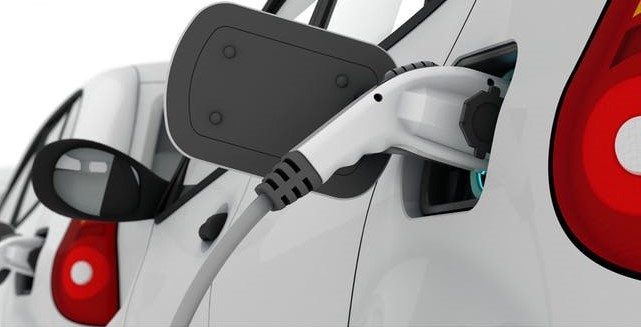
The Charging Infrastructure Connection Simplification Resource (CIISR) is a project sponsored by the U.S. Department of Energy. The purpose of CIISR is to develop best practices regarding the service connection procedures utilities use when providing (or upgrading) service for their customers’ EV charging equipment, as well as develop support resources for small fleet and MFH customers. CIISR is designed to include small, medium-or heavy-duty fleet businesses as well as multi-family housing (MFH) propriety managers or operators, located in HUB Zones or disadvantaged communities. The Piedmont and Coastal Clean Communities serves as one of the teaming partners that advises Louisiana Clean Fuels about ways to improve grid service connection speed, transparency, and simplicity for electric vehicle charging applications.
Accelerating EV Adoption: New Resources Created for Utilities and Small Fleets Available!
As electric vehicle (EV) adoption continues to surge, the demand for accessible, reliable charging infrastructure grows in parallel.
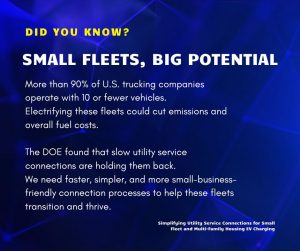 But for many, especially small fleet operators and residents of multi-family housing (MFH), getting chargers connected to the electric grid can be a needlessly complex process.
To help both utilities and customers navigate this critical part of the EV transition, the Electric Power Research Institute (EPRI) recently released two reports that dive into the barriers and offer actionable solutions to streamline charger service connections.
Insights You’ll Find in the Reports:
- Unique Challenges for Small Fleets & Multi-Family Housing
- Disadvantaged communities, in particular, face significant hurdles when it comes to charging access. Smaller fleets and MFH properties often lack the resources or expertise to navigate interconnection processes effectively.
- Customer-identified Best Practices for a Smoother Connection Experience
- Real-world input from customers reveals practical strategies for a smoother connection experience—from early engagement with utilities to understanding permitting timelines and technical requirements.
- Utility Innovations to Simplify Interconnections
- Utilities are stepping up with new tools and streamlined processes designed to accelerate charger deployment. From digital platforms to improved coordination across departments, these innovations aim to reduce delays and costs.
- The Importance of an “Informational Phase” for Early Planning and Funding
- Introducing an early planning phase—where customers, developers, and utilities align on goals, funding options, and timelines—can prevent missteps and improve outcomes down the line.
- Strategies to Ensure No Customer is Left Behind in the Transition to Electric Transportation
- Equity remains a central focus. The reports outline strategies to make sure that all communities, regardless of income or housing type, benefit from the EV transition.
- As the U.S. gears up for widespread electrification of transportation, the need for efficient, inclusive, and scalable charging infrastructure has never been greater. EPRI’s work offers a roadmap for stakeholders across the industry to build smarter, faster, and more equitable interconnection pathways.
For more information, check out the full reports on EPRI’s website:
Report 2: A Grid Connection Roadmap for Utilities to Support Small Electric Vehicle (EV) Customers



You must be logged in to post a comment.