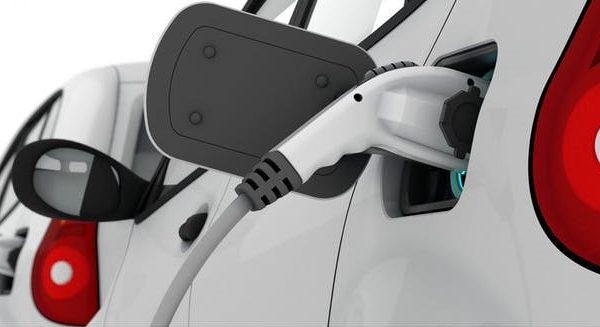
Alternative Fuel Vehicles (AFVs) are different from traditional gasoline and diesel vehicles. Electric, Hybrid, and Fuel Cell vehicles can pose unique hazards like electrical shock, high-voltage systems, and lithium-ion battery fires, which do not respond to traditional water suppression fire-fighting methods. Lithium-ion batteries are growing in popularity across many technologies due to their recharging capacity. These types of batteries are known to self-ignite on occasion due to cell failure, a phenomenon known as “thermal runaway”. These events can produce harmful gases, which may pose an explosion risk and are vitally important to anticipate when entering a room without filtration equipment. Because such technologies are new, and alternative fuels are not commonly encountered, there is a lack of experience in identifying lithium-ion technology and alternative fuel vehicles. Where to locate the batteries and how to contain scenes of such incidents can potentially endanger first responders, occupants, and the surrounding environment. Wisconsin Clean Cities has created a training workshop to address this need for education. Our programs equip first responders with the knowledge, skills, and hands-on experience to handle such emergencies safely so they may reduce the risk of injury to themselves and others:
🔥 WCC educates first responders on how to quickly identify alternative fuel vehicles, manage the scene, promptly locate their power source, have a base knowledge of how their power systems work, identify potential hazards like fuel system leaks or charging station issues, and mitigate the risks associated with them.
🔥 Our workshop (created with the oversight of Wisconsin firefighting professionals) addresses different response procedures such as fire suppression methods, and vehicle immobilization techniques – including how they must be modified to control AFV emergencies.
🔥 Covers where response procedures are similar, and where/why they differ. The parameters for containment/contamination. The symptoms of carbon monoxide and/or hydrogen fluoride exposure in victims
🔥 What tools are available to view if enclosed batteries are getting hotter, and when to use water versus Class C extinguishers. We discuss the benefits and cons of various extinguishing methods, including water, foam, blanket, and/or sand.
🔥 The signs and sounds that indicate an internal fire obscured from view.
🔥 Considerations for re-ignition possibility, scene clean up, how and what supplies to dispose of after the fire is mitigated.
🔥 We cover topics of common concern, such as how to respond to an EV immersed in water.
These workshops strengthen an emergency department’s preparedness for emerging vehicle technologies. We customize to your local infrastructure and specific needs. If you want hands-on training, we can obtain an AFV for your responders to train on. We will educate your staff on the alternative fueling stations in your municipality. If you have an interest in providing training tailored to your specific community’s emergency response team, please contact Wisconsin Clean Cities to arrange a workshop.